
Iraq

BRIEF DESCRIPTION
Basra Airport: Basra International Airport is a major air gateway in southern Iraq, connecting the region to international destinations. Serving as a vital link for both domestic and international travelers, the airport contributes significantly to the economic and cultural exchanges of the area. Its modern facilities and strategic location make it an important hub in the country’s transportation network.
Presidential palaces: often featuring opulent architecture, luxurious interiors, and extensive grounds. These palaces served both as residences for Saddam Hussein and his family as well as venues for hosting important events and meetings.
Shanashil houses: commonly seen in the architecture of the city, given its historical and cultural ties to Islamic architecture and design. The primary functions of Shanashil include providing privacy to the occupants of the building while allowing for ventilation and the flow of air. The intricate lattice patterns also create beautiful interplays of light and shadow in interior spaces, enhancing their aesthetic appeal.
Al-Qurnah: is a town in southern Iraq, situated at the confluence of the Tigris and Euphrates rivers, near the historic city of Ur—a pivotal site in early human civilization. Its name translates to “the confluence” in Arabic, reflecting its strategic location and historical significance
The Chibayish Marshes: are a vital wetland ecosystem in southern Iraq, supporting biodiversity and the Marsh Arab culture. These marshes, once drained by Saddam Hussein, have seen restoration efforts to revive their ecological and cultural significance.
Masqouf fish is a traditional Iraqi delicacy, often carp, prepared by marinating and roasting on an open fire. The dish boasts a crispy exterior and tender, flavorful meat, cherished in Iraqi cuisine.
The historical city of Ur: located in southern Mesopotamia, is one of the world’s oldest urban centers, celebrated for its ziggurat and artifacts revealing insights into early civilizations. As the birthplace of Abraham, it holds profound significance in ancient history and archaeology.
Uruk: an ancient Sumerian city in Mesopotamia, is among the earliest urban settlements, known for its monumental architecture and the Epic of Gilgamesh. Its legacy as a cultural hub and its influence on early civilization are profound.
Najaf Sea: The “Najaf Sea” refers to the expansive Wadi Al-Salam Cemetery in Najaf, Iraq, where millions of Shi’a Muslims are buried, creating a sacred and serene landscape of graves.
Wadi Al-Salam Cemetery: The Wadi Al-Salam Cemetery in Najaf is one of the world’s largest cemeteries, holding immense religious significance as the final resting place of countless believers.
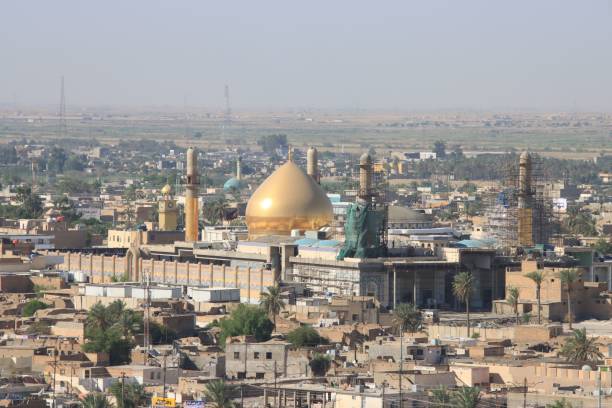
Imam Ali Shrine: The Imam Ali Shrine in Najaf is a revered Shi’a pilgrimage site, honoring Ali ibn Abi Talib, the cousin and son-in-law of the Prophet Muhammad, and drawing millions of pilgrims due to its spiritual significance.
Imam Ali House: The residence of Imam Ali in Najaf, Iraq, is a revered site for Shi’a Muslims, holding deep spiritual significance as the resting place of the first cousin and son-in-law of Prophet Muhammad.
Prophet Dhul-Kifl: Prophet Dhul-Kifl is an honored figure in Islam, believed to have delivered divine messages. His tomb in Babil, Iraq, is a place of reverence.
Borsippa: Borsippa, an ancient city near Babylon, contains the ruins of the famed ziggurat, Etemenanki, mentioned in religious texts and reflecting Babylonian architectural marvels.
Babylon: The ancient city of Babylon, rich in history and culture, stands as a testament to Mesopotamian civilization, with remnants like the Ishtar Gate and Hanging Gardens.
Karbala: Karbala, a significant Shi’a pilgrimage destination, commemorates the martyrdom of Imam Hussein, the grandson of Prophet Muhammad, symbolizing resistance against oppression.
Imam Hussein: Imam Hussein’s shrine in Karbala symbolizes sacrifice and devotion, drawing millions of pilgrims annually to honor his stand against injustice.
Imam Abbas: The shrine of Imam Abbas, brother of Imam Hussein, in Karbala is revered for his loyalty and bravery during the Battle of Karbala, inspiring devotees seeking strength and courage.
AlTar Caves: The AlTar Caves near Najaf, Iraq, hold historical and archaeological importance, offering insights into ancient life through their intricate carvings and formations.
AlUkhaydir Fortress: AlUkhaydir Fortress is an iconic desert structure in Najaf, Iraq, known for its unique architecture and historical significance as a trading post on ancient caravan routes.
Ctesiphon: Ctesiphon, near Baghdad, Iraq, was an ancient capital of Persian civilizations, boasting the grand Taq Kasra arch and showcasing the splendor of pre-Islamic architecture.
Thulkifel Prophet: Thulkifel, believed to be Prophet Ezekiel, is revered by various faiths. His connection to sacred sites like Borsippa and Kish enhances his significance in religious history.
Kish: Kish, a historic city in Mesopotamia, carries archaeological remains that shed light on Sumerian culture, serving as a testament to the region’s early civilizations
Iraqi Museum: The Iraqi Museum in Baghdad showcases a rich collection of artifacts, offering insights into the country’s rich history, art, and cultural heritage.
Central Station: The Baghdad Central Station is a historic railway hub with distinctive architecture, reflecting a blend of modernity and tradition in Iraq’s capital.
Dur-Kurigalzu: Dur-Kurigalzu is an archaeological site near Baghdad, featuring the ruins of a Kassite palace and giving glimpses into the ancient civilization’s grandeur.
Dijlah Complex: The Dijlah Complex in Baghdad is a contemporary development encompassing commercial, residential, and cultural spaces, representing modern urban aspirations in Iraq.
Abu Nawas Street: Abu Nawas Street, named after a famous poet, is a riverside promenade in Baghdad known for its scenic views and recreational spaces.
Shahrazad and Shahyar: The mythical characters Shahrazad and Shahyar, from “One Thousand and One Nights,” epitomize storytelling traditions and cultural heritage in Iraq.
Kahramana: Kahramana, an iconic statue in Baghdad, symbolizes Iraqi courage and resilience, making it a significant landmark in the city.
Saadoun Street: Saadoun Street is a bustling commercial thoroughfare in Baghdad, lined with shops and restaurants, offering a glimpse of modern urban life.
Tahrir Monument: The Tahrir Monument commemorates Iraq’s liberation from British rule in 1958, reflecting the nation’s historical struggles and aspirations.
Armenian Church: The Armenian Church in Baghdad represents the Christian heritage and community’s presence in Iraq.
Abdul Qadir AlKilani Mosque: This mosque in Baghdad is named after a revered Sufi saint and serves as a spiritual center.
AlKhulafaa Mosque: AlKhulafaa Mosque stands as a sacred place for worship and reflection in the heart of Baghdad.
AlRasafi Monument: The AlRasafi Monument honors the poet AlRasafi, symbolizing the literary richness of Iraqi culture.
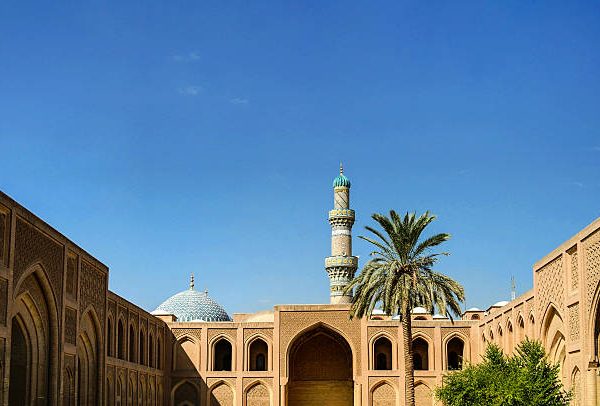
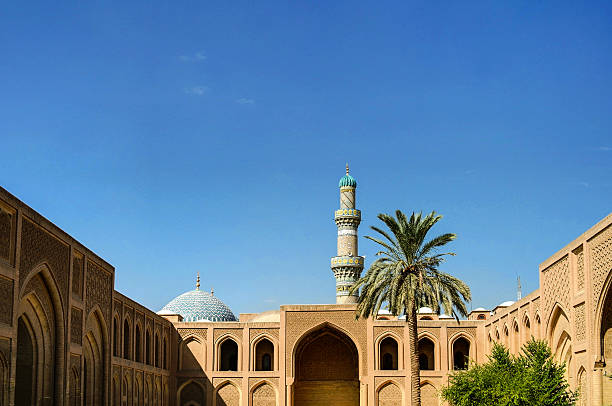
Mustanseriya Historical School: Mustanseriya is a historic Islamic school in Baghdad, carrying the legacy of ancient learning and scholarship.
Bagdadi Museum: The Baghdadi Museum exhibits artifacts showcasing Iraq’s diverse cultural heritage and historical contributions.
AlMutanabi Street: AlMutanabi Street is a renowned bookselling district in Baghdad, reflecting the city’s literary traditions.
Copper Bazar: The Copper Bazar offers a glimpse into traditional craftsmanship and trade in Baghdad.
Qeshla Clock: The Qeshla Clock, a distinctive clock tower, adds a touch of architectural charm to Baghdad’s urban landscape.
Martyr Monument: The Martyr Monument in Baghdad stands as a tribute to those who sacrificed their lives for Iraq’s independence and sovereignty.
AlMua’azam Gate: AlMua’azam Gate, an entrance to the historic city of Baghdad, holds cultural significance and reflects the city’s rich history.
Kings Cemetery: The Kings Cemetery in Baghdad is the final resting place of former Iraqi leaders, representing the nation’s political legacy.
Abu Hanifa Shrine: The Abu Hanifa Shrine, dedicated to the renowned Islamic jurist, serves as a significant religious landmark in Baghdad.
Imam Kadhim Shrine: The Imam Kadhim Shrine in Baghdad honors the seventh Imam of Shi’a Islam and attracts pilgrims seeking spiritual solace.
Dinner in 1001 Nights Complex: The 1001 Nights Complex offers an immersive dining experience, combining Iraqi cuisine with the ambiance of the famed Arabian Nights tales.
Al-Baraka Palace: Al-Baraka Palace, a historic landmark, showcases intricate architectural designs and cultural heritage in Iraq.
Al-Malawia Mosque: Al-Ma 0020lawia Mosque, an elegant structure in Baghdad, stands as a symbol of Islamic artistry and devotion.
Al-Ashiq Palace: Al-Ashiq Palace’s opulent architecture and historical significance offer a glimpse into Iraq’s regal past.
Hatra: Hatra, an ancient city, presents well-preserved ruins that highlight its role in Parthian and Roman civilizations.
Mosul: Mosul, a historic city in northern Iraq, is recognized for its diverse heritage, including religious sites and ancient architecture.
Mar Matti Monastery: Mar Matti Monastery, a historic Christian site near Mosul, holds spiritual significance and architectural beauty.
Lalish: Lalish is a sacred Yazidi shrine complex in northern Iraq, embodying the faith’s spiritual beliefs and rituals.
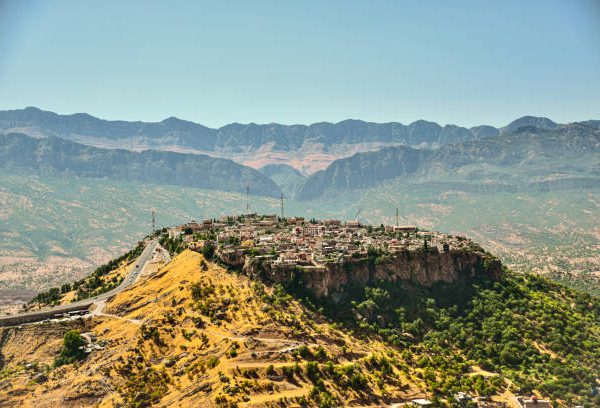
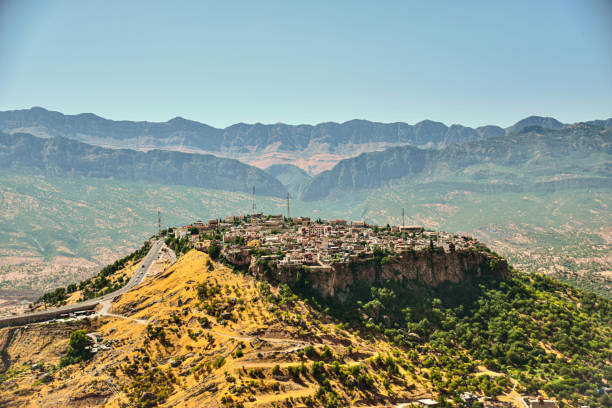
Erbil Castle: Erbil Castle, a millennia-old fortress, stands as an iconic symbol of Erbil’s history and resilience in the Kurdistan region.